
Rosetta Stone French Review 2026
Reviewed against editorial standards
Bonjour, Amélie here. 👋
Rosetta Stone is the name everyone’s parents know. For decades it was the language software, the yellow box on the shelf. In 2026 it is an app with a subscription, a speech tool and some newer features, still built on the same idea: learn French the way you learned your first language, without translations. This Rosetta Stone French review asks whether that idea gets you to the point where you understand French people talking normally.
The short answer: Rosetta Stone is worth it for beginners who like learning by immersion, want strong pronunciation practice and enjoy a calm, structured app. Its no-translation method works for basic vocabulary but becomes slow and frustrating when you need grammar explained. Its French is clean and careful, so on its own it will not train your ear for fast, informal speech. Good starter, not a finisher.
Prices, plans and features checked 6 October 2026 on Rosetta Stone’s official site. From France, rosettastone.com redirected to Rosetta Stone’s German store, which showed prices in euros; US and UK prices may differ. Feature names are taken from the official site’s menus and plans page.
What Rosetta Stone includes in 2026
From Rosetta Stone’s plans page and feature pages:
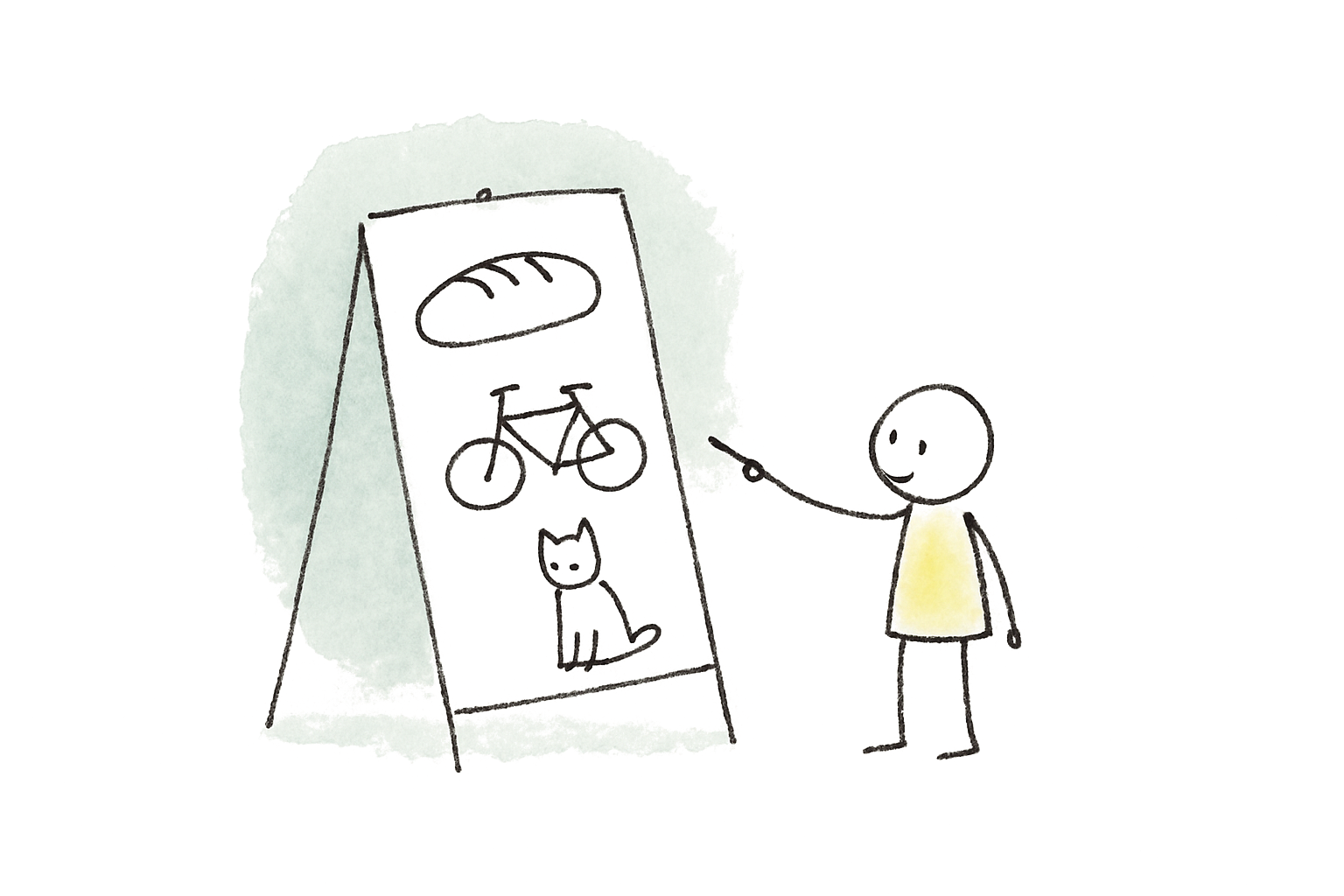
- Dynamic Immersion. The method teaches through pictures, audio and context instead of translations or rote memorisation.
- TruAccent, Rosetta Stone’s speech tool, which checks your pronunciation as you speak.
- Chat Missions, realistic conversation practice in which each mission has three goals to complete, and how you complete them is up to you.
- 500+ flashcard sets for the vocabulary you care about.
- Sapphire Studio, a tool for creating your own study materials on any topic (matching games, reading guides, adapted texts, vocabulary lists).
- A Learning Path that structures the course.
- All 25 languages included in a subscription, French among them.
The official site also lists Tutoring in its features menu; I could not open that page from France, so check availability where you live.
Rosetta Stone prices
Here is what the plans page showed on 6 October 2026, in euros, on Rosetta Stone’s German store:
| Plan | Price shown | Billed |
|---|---|---|
| Monthly | €19.99/month | Monthly |
| Annual | €13.25/month | €159 once a year |
The page marked the annual plan “save 33%” and listed only these two plans. Both include all 25 languages. If you see a different set of plans in your country (a lifetime option, for example), compare the cost per year honestly against how long you will really use it.
What Rosetta Stone does well
It trains you to think in French. Because there are no translations, you link French words directly to images and situations. For basic vocabulary (objects, colours, people, simple actions), this works well and feels natural.
Pronunciation is central. TruAccent makes you speak and checks you. For beginners, regular spoken repetition is one of the best habits you can build, and Rosetta Stone builds it.
It is calm and structured. No leagues, no gems, no owl with opinions. Just a path and a lot of practice. Some learners find that refreshing.
Chat Missions add a goal-based element. Having to achieve three goals in a conversation, your way, is closer to real communication than choosing the right tile.
One subscription, many languages. If you are learning French and one other language, the price covers both.
Where Rosetta Stone falls short for real spoken French
No translations becomes a handicap later. Immersion through pictures is lovely for le chat and la pomme. It gets slow when you reach the subjunctive, pronoun order or the difference between passé composé and imparfait. Adults usually learn grammar faster with a short explanation, and Rosetta Stone’s method is designed to avoid giving one.
The French is clean and careful. Audio is recorded to teach, not to sound like two friends in a bar. You will not hear much chais pas, t’as vu or du coup, and those are the words that leave learners lost in France. More on that in why you can read French but can’t hear it.
Listening is short and controlled. Recognising a sentence that matches a picture is a different skill from following a two-minute conversation with no picture at all.
Speech recognition is not a teacher. TruAccent is useful, but software that says “correct” is not the same as a person who can tell you why your u still sounds like ou.
Price for what you get. At about €160 a year (in Europe), it is pricier than Babbel or Busuu for a similar beginner-to-intermediate scope.
Is Rosetta Stone worth it?
| Learner | Is Rosetta Stone worth it? | Why |
|---|---|---|
| A1 beginner who enjoys immersion | Yes | Natural vocabulary building and strong pronunciation practice |
| Learner of two or more languages | Good value | All 25 languages in one subscription |
| Learner who wants grammar explained | Probably not | The no-translation method avoids explanations; try Babbel |
| B1 learner stuck on listening | No | Clean, controlled audio won’t fix real-speed listening |
| Budget learner | Probably not | Busuu or Duolingo cover similar ground for less |
How to get more listening out of Rosetta Stone
- Listen before you look. Hear the phrase, guess the meaning, then check the picture.
- Use TruAccent on full sentences, not just single words, so your rhythm improves too.
- Build a Sapphire Studio set from real audio. Take expressions you hear in a podcast or show and turn them into your own study set.
- Add natural listening early. Ten minutes a day of a podcast at your level, with a transcript for the second listen. Our French listening practice guide has a routine.
What we do differently
French with Amélie shares Rosetta Stone’s belief that you learn by hearing French in context. The difference is the French: a new dialogue every week, written the way French people actually talk (contractions, fillers, dropped ne), with native audio, 🐢 Slow Audio and notes that explain what is going on. It is for B1+ learners, so it picks up where beginner courses stop. 🧭 The Placement Test at frenchwithamelie.com/test tells you if you are ready.
Alternatives
Compare Rosetta Stone with the rest of this series. The Duolingo French review is the free option, the Babbel French review is the opposite approach with clear grammar, and Babbel vs Duolingo for French puts those two side by side. The Busuu French review adds human corrections, the Pimsleur French review is audio-first, and italki for French gets you a real teacher. The full ranking is 7 best Duolingo alternatives for French. For real listening, the best French podcasts by level is the place to start.
FAQ
Is Rosetta Stone good for learning French?
It is good for beginners who enjoy immersion and want lots of pronunciation practice. Its no-translation method works well for basic vocabulary but is slow for grammar, and its clean audio does not prepare you for informal spoken French on its own.
How much does Rosetta Stone French cost?
On 6 October 2026, Rosetta Stone’s German store (where rosettastone.com redirects from France) showed €19.99 a month, or €159 a year (€13.25 a month), with all 25 languages included. Prices in the US and UK may differ.
What is TruAccent?
TruAccent is Rosetta Stone’s speech tool. It listens as you speak and checks your pronunciation, so you practise saying French out loud throughout the course.
Does Rosetta Stone teach French grammar?
Not directly. The Dynamic Immersion method teaches through pictures and context instead of translations or rule explanations. If you like knowing why, pair it with a grammar-focused resource.
Can Rosetta Stone make you fluent in French?
No course does that on its own. Rosetta Stone builds a solid beginner foundation, but fluency needs many hours of real listening and real conversation beyond the app.
Is Rosetta Stone better than Duolingo for French?
Rosetta Stone gives you more pronunciation practice and a calmer, less game-like path. Duolingo is free. Neither is enough for understanding fast, informal French, so whichever you pick, add natural listening.
Final verdict
Rosetta Stone is a polished, pronunciation-heavy beginner course with a method that feels natural at first and slow later. It is not the cheapest way to start French, and it will not teach your ear the French people actually speak. If immersion is your style, start here, then move on to real French as soon as the basics are in place.

About Amélie Laurent
What is French with Amélie?
Finally understand real spoken French, with a teacher in it with you.
- 💬 2 Full Lessons a week, with Amélie's annotated vocab notes
- Every dialogue at native speed, 🐢 Slow Audio and ⚡ À la parisienne
- 💜 The Private Podcast: 220 episodes with Live Transcript, in your podcast app
- 📚 The 220-Lesson Library, with member-only series like Hot Issues 🔥 and Vivre en France 🥖
- ✅ Monthly Level Tests that track your climb
- A real teacher: Amélie writes every dialogue herself
Expressions mentioned in this guide
In this cluster
- Start here: Best App to Learn French in 2026: A Teacher's Honest Pick
- Duolingo French Review 2026: Is It Worth It?
- Babbel French Review 2026
- Babbel vs Duolingo for French (2026)
- 7 Best Duolingo Alternatives for French (2026)
- Busuu French Review 2026
- Pimsleur French Review 2026
- italki for French Review 2026